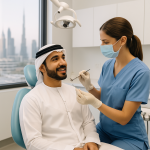
Growing Demand for Healthcare Businesses Across GCC
Exploring the Surge in Healthcare Investment Opportunities
The Gulf Cooperation Council (GCC) countries, comprising Saudi Arabia, the United Arab Emirates, Kuwait, Qatar, Bahrain, and Oman, are witnessing a remarkable transformation in their healthcare sectors. Rapid economic growth, rising population, increased prevalence of chronic diseases, and government initiatives to enhance healthcare infrastructure have collectively fueled a growing demand for healthcare businesses across GCC. This trend presents lucrative opportunities for investors seeking a high ROI healthcare business and contributes significantly to startup growth in the region.
Economic and Demographic Drivers of Healthcare Demand
The GCC region has experienced sustained economic prosperity due to its oil wealth and diversification efforts. This prosperity has led to increased disposable incomes and greater awareness about health and wellness among the population. Additionally, the GCC states have relatively young populations, but with a rising life expectancy and an aging demographic on the horizon, the demand for advanced healthcare services is growing rapidly.
Coupled with these demographic changes is a notable increase in lifestyle-related chronic diseases such as diabetes, cardiovascular diseases, and obesity. The World Health Organization (WHO) has repeatedly highlighted the GCC as a region with one of the highest rates of diabetes globally. This epidemiological shift necessitates enhanced healthcare infrastructure and specialized medical services, creating fertile ground for healthcare businesses.
Government Initiatives and Healthcare Reforms
Governments across the GCC are proactively investing in healthcare as part of their broader Vision 2030 plans and national development strategies. Saudi Arabia’s Vision 2030, the UAE’s National Health Strategy, and similar initiatives in other GCC countries emphasize improving healthcare quality, accessibility, and affordability. These policies have resulted in significant public spending on hospital infrastructure, digital health technologies, and training of healthcare professionals.
Moreover, regulatory reforms aimed at encouraging private sector participation and foreign direct investment (FDI) have made the healthcare sector more attractive to investors. Public-private partnerships (PPPs) and healthcare free zones in countries like the UAE offer streamlined licensing and tax incentives, fostering an environment conducive to startup growth and business expansion.
High ROI Healthcare Business Opportunities in the GCC
The increasing healthcare demand combined with government support creates numerous avenues for a high ROI healthcare business in the GCC. Some of the most promising areas include:
- Specialty Clinics and Hospitals: Facilities focusing on cardiology, oncology, orthopedics, and diabetes management are in high demand due to the rising incidence of these conditions.
- Telemedicine and Digital Health: The COVID-19 pandemic accelerated the adoption of telehealth solutions, and GCC investors are increasingly backing startups offering remote consultations, AI diagnostics, and mobile health apps.
- Healthcare Equipment and Pharmaceuticals: With expanding healthcare infrastructure, there is a growing need for advanced medical devices, diagnostic tools, and pharmaceutical manufacturing.
- Wellness and Preventive Healthcare: Wellness centers, fitness facilities, and preventive care services are gaining popularity as GCC populations become more health-conscious.
These sectors offer scalable business models with potential for rapid growth and high returns, especially when aligned with local healthcare priorities and consumer needs.
Role of GCC Investors in Driving Startup Growth
GCC investors are playing a pivotal role in fueling startup growth within the healthcare sector. Sovereign wealth funds, family offices, and venture capital firms from the region are increasingly channeling funds into healthcare startups that demonstrate innovation and scalability.
For instance, Dubai’s healthcare free zones provide an ideal ecosystem where startups can access funding, mentorship, and regulatory support. Saudi Arabia’s Public Investment Fund (PIF) is also actively investing in healthcare ventures aligned with its Vision 2030 goals. These investors are not only injecting capital but also facilitating strategic partnerships and market access, which are critical for startup success.
Additionally, the GCC’s focus on digital transformation has encouraged the emergence of healthtech startups offering AI-powered diagnostics, electronic health records, and patient management systems. Such innovations are appealing to investors looking for ventures that can disrupt traditional healthcare delivery and offer sustainable competitive advantages.
Challenges and Considerations for Healthcare Business Investors
Despite the strong growth prospects, investors must navigate several challenges in the GCC healthcare market. Regulatory complexities, cultural sensitivities, and the need for skilled healthcare professionals can pose hurdles. Moreover, the healthcare sector is capital-intensive and requires long-term commitment to realize returns.
Understanding local market dynamics, forging partnerships with government bodies, and adopting culturally appropriate business models are essential strategies for success. Investors should also prioritize compliance with evolving healthcare regulations and quality standards to build trust and credibility.
The Future Outlook for Healthcare Businesses in GCC
The future of healthcare businesses in the GCC looks promising, driven by sustained economic growth, government vision, and demographic trends. The increasing integration of technology in healthcare delivery, such as AI, robotics, and big data analytics, will further transform the sector and open new investment frontiers.
Furthermore, the growing emphasis on medical tourism in countries like the UAE and Bahrain adds another dimension to healthcare business opportunities. High-quality, affordable, and specialized medical services attract patients from neighboring regions, enhancing revenue potential for healthcare providers.
Overall, the GCC healthcare market is evolving rapidly into a dynamic ecosystem where investors can achieve high ROI healthcare business ventures while contributing to improved health outcomes in the region.
Conclusion
The growing demand for healthcare businesses across GCC is driven by demographic shifts, economic prosperity, and strategic government initiatives. This environment offers rich opportunities for investors aiming for a high ROI healthcare business and supports vibrant startup growth within the healthcare sector. With careful planning, local partnerships, and innovation, healthcare businesses can thrive and significantly impact the region’s wellbeing.
Contact Globex Horizon for expert investment guidance.